

BIOCURE: ESTABLISHMENT AND PURPOSE
As governments fell short of producing solutions for transforming people, private health organizations stepped in. Established in Germany in late 2034, BioCure Networks & Labs became one of the pioneering institutions in this field.
The company focused on tracking cases, creating transmission maps, and sharing the obtained data with global health authorities. At the same time, significant efforts were made for the psychological adaptation and integration of transformed individuals into society.
With its developed treatments contributing to the reduction of fatigue symptoms, BioCure rapidly grew to become one of the world's largest laboratory networks.
BioCure Network
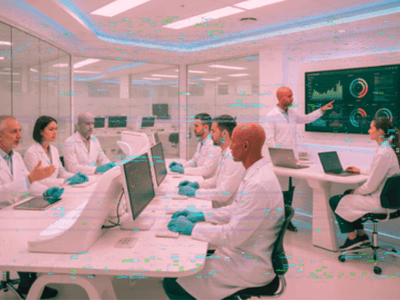
The organization that leads global solutions by recording transformation data and producing spread maps shares the findings it obtains with authorities. By providing psychological analysis and orientation support for weirds, it ensures social integration and fills a critical gap in the healthcare system.
BioCure Labs
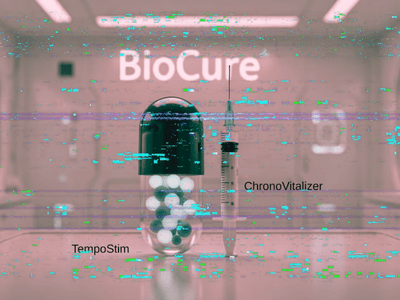
Focused on biological treatments, BioCure Labs developed two drugs targeting the chronic fatigue of the Grays using volunteer samples: ChronoVitalizer, a time-critical, highly effective injection, and TempoStim, which is easy to use, increases endurance, but carries a risk of addiction. The lab aims to rapidly reduce fatigue while minimizing the physical side effects of the transformation.
Transmission Routes and WHO Status (2035)
According to the picture clarified by WHO data in June 2035, the main transmission route of Nanomorph is sexual intercourse. However, the most critical transmission risk occurs during the "preparation phase" before the skin color changes. During this period, the dense pathogens accumulating on the skin spread easily through contact; therefore, standard protection methods may be insufficient. Once the transformation is complete, no living pathogens remain on the skin and the risk of contact transmission ends.
Official Classification: WHO has officially declared that Nanomorph is harmless in the long term and is not an "epidemic disease." Although "weirds" are accepted as a different species, medical authorities — despite objections from the Reds — continue to classify this group as "sick".



BIOCURE: ESTABLISHMENT AND PURPOSE
As governments fell short of producing solutions for transforming people, private health organizations stepped in. Established in Germany in late 2034, BioCure Networks & Labs became one of the pioneering institutions in this field.
The company focused on tracking cases, creating transmission maps, and sharing the obtained data with global health authorities. At the same time, significant efforts were made for the psychological adaptation and integration of transformed individuals into society.
With its developed treatments contributing to the reduction of fatigue symptoms, BioCure rapidly grew to become one of the world's largest laboratory networks.
BioCure Network
The organization that leads global solutions by recording transformation data and producing spread maps shares the findings it obtains with authorities. By providing psychological analysis and orientation support for weirds, it ensures social integration and fills a critical gap in the healthcare system.
BioCure Labs
Focused on biological treatments, BioCure Labs developed two drugs targeting the chronic fatigue of the Grays using volunteer samples: ChronoVitalizer, a time-critical, highly effective injection, and TempoStim, which is easy to use, increases endurance, but carries a risk of addiction. The lab aims to rapidly reduce fatigue while minimizing the physical side effects of the transformation.
Transmission Routes and WHO Status (2035)
According to the picture clarified by WHO data in June 2035, the main transmission route of Nanomorph is sexual intercourse. However, the most critical transmission risk occurs during the "preparation phase" before the skin color changes. During this period, the dense pathogens accumulating on the skin spread easily through contact; therefore, standard protection methods may be insufficient. Once the transformation is complete, no living pathogens remain on the skin and the risk of contact transmission ends.
Official Classification: WHO has officially declared that Nanomorph is harmless in the long term and is not an "epidemic disease." Although "weirds" are accepted as a different species, medical authorities — despite objections from the Reds — continue to classify this group as "sick".

BIOCURE: ESTABLISHMENT AND PURPOSE
As governments fell short of producing solutions for transforming people, private health organizations stepped in. Established in Germany in late 2034, BioCure Networks & Labs became one of the pioneering institutions in this field.
The company focused on tracking cases, creating transmission maps, and sharing the obtained data with global health authorities. At the same time, significant efforts were made for the psychological adaptation and integration of transformed individuals into society.
With its developed treatments contributing to the reduction of fatigue symptoms, BioCure rapidly grew to become one of the world's largest laboratory networks.
BioCure Network
The organization that leads global solutions by recording transformation data and producing spread maps shares the findings it obtains with authorities. By providing psychological analysis and orientation support for weirds, it ensures social integration and fills a critical gap in the healthcare system.
BioCure Labs
Focused on biological treatments, BioCure Labs developed two drugs targeting the chronic fatigue of the Grays using volunteer samples: ChronoVitalizer, a time-critical, highly effective injection, and TempoStim, which is easy to use, increases endurance, but carries a risk of addiction. The lab aims to rapidly reduce fatigue while minimizing the physical side effects of the transformation.
Transmission Routes and WHO Status (2035)
According to the picture clarified by WHO data in June 2035, the main transmission route of Nanomorph is sexual intercourse. However, the most critical transmission risk occurs during the "preparation phase" before the skin color changes. During this period, the dense pathogens accumulating on the skin spread easily through contact; therefore, standard protection methods may be insufficient. Once the transformation is complete, no living pathogens remain on the skin and the risk of contact transmission ends.
Official Classification: WHO has officially declared that Nanomorph is harmless in the long term and is not an "epidemic disease." Although "weirds" are accepted as a different species, medical authorities — despite objections from the Reds — continue to classify this group as "sick".